Kailua's Full Moon Paddles: Night Water and the Hawaiian Moon Calendar
Kailua's Full Moon Paddles: Night Water and the Hawaiian Moon Calendar
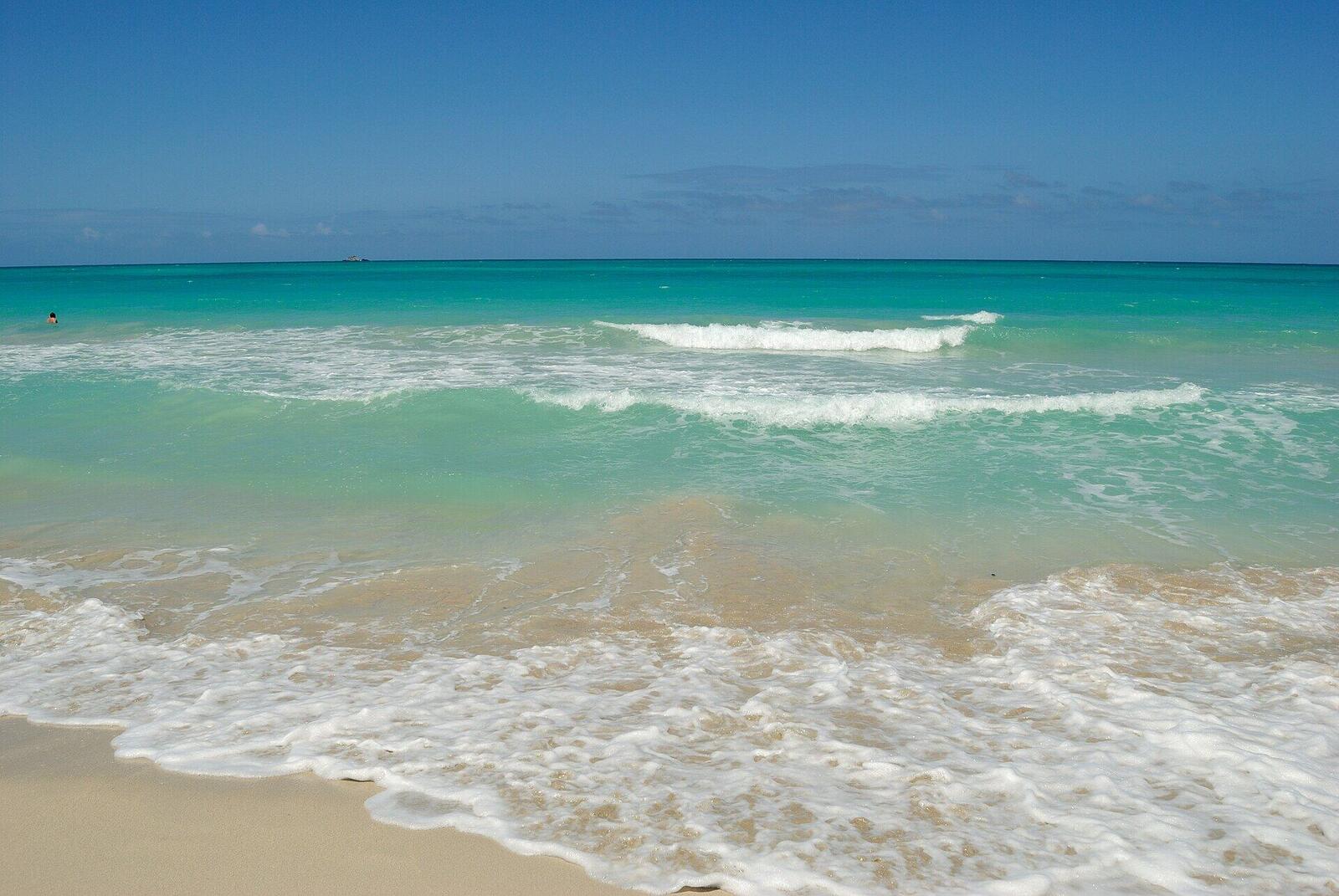
Kailua Beach faces east, so on the night of a full moon you can watch the moon rise out of the ocean around sunset while the sky behind the Koʻolau range fades from orange to violet. The gentle lapping of the waves against the beach is a soothing melody that beckons you to step into the night.
Hawaiians have watched the moon closely for generations. The traditional Hawaiian moon calendar, the kaulana mahina, gives each night of the roughly 29.5-day cycle its own name, and those nights served as a guide for fishing, planting, reading the tides and timing ceremonies. The nights around the full moon carry names such as Akua, Hoku and Māhealani. Paddling out on one of these nights is a way to feel that old rhythm for yourself.
On the Water
As you paddle away from the beach, the stars come out above and the moon lays a silver path across the bay. On a calm night you glide through the water with only the sound of your paddle dipping and the waves breaking softly behind you. The light is enough to see the shape of the shoreline and the dark outline of the offshore islands, but not much more, which is part of the magic.
If you want the stories behind the moon names, look for cultural classes and published Hawaiian moon calendars. The Office of Hawaiian Affairs and the University of Hawaiʻi have both shared moon calendar material, and learning even a few night names will change the way you look at the sky over the bay.
Planning a Safe Night Paddle
When: Full moon nights. Moonrise times shift each night, so check a moon calendar before you go. Where: Kailua Beach. Kailua Beach Park is closed nightly from midnight to 4 a.m., so plan to be off the water and out of the park well before midnight. What to bring: Your own board or kayak, or a rental from a shop in Kailua town (commercial vendors are not allowed in the park), a life jacket, water and a white light. Coast Guard navigation rules call for paddle craft out at night to have a flashlight or lantern showing a white light ready to use. Who should go: Paddle at night only if you are already comfortable on this water in daylight. Lifeguards are not on duty after dark, so go with a partner, tell someone your plan and stay close to shore.
Save trips to Nā Mokulua for daylight. Popoia (Flat Island) and Nā Mokulua are State Seabird Sanctuaries: visitors must stay on the beach below the high water mark, and the islets are closed from sunset to sunrise.
A Night to Remember
A full moon paddle is a journey of discovery, a chance to connect with the natural world and with a way of reading the sky that Hawaiians have kept for generations. Paddle with care, respect the sanctuaries and the closing hours, and enjoy the night ocean under the full moon.