Pōhaku: The Proper Way to Encounter Kailua's Beach Stones
Pōhaku: The Proper Way to Encounter Kailua's Beach Stones
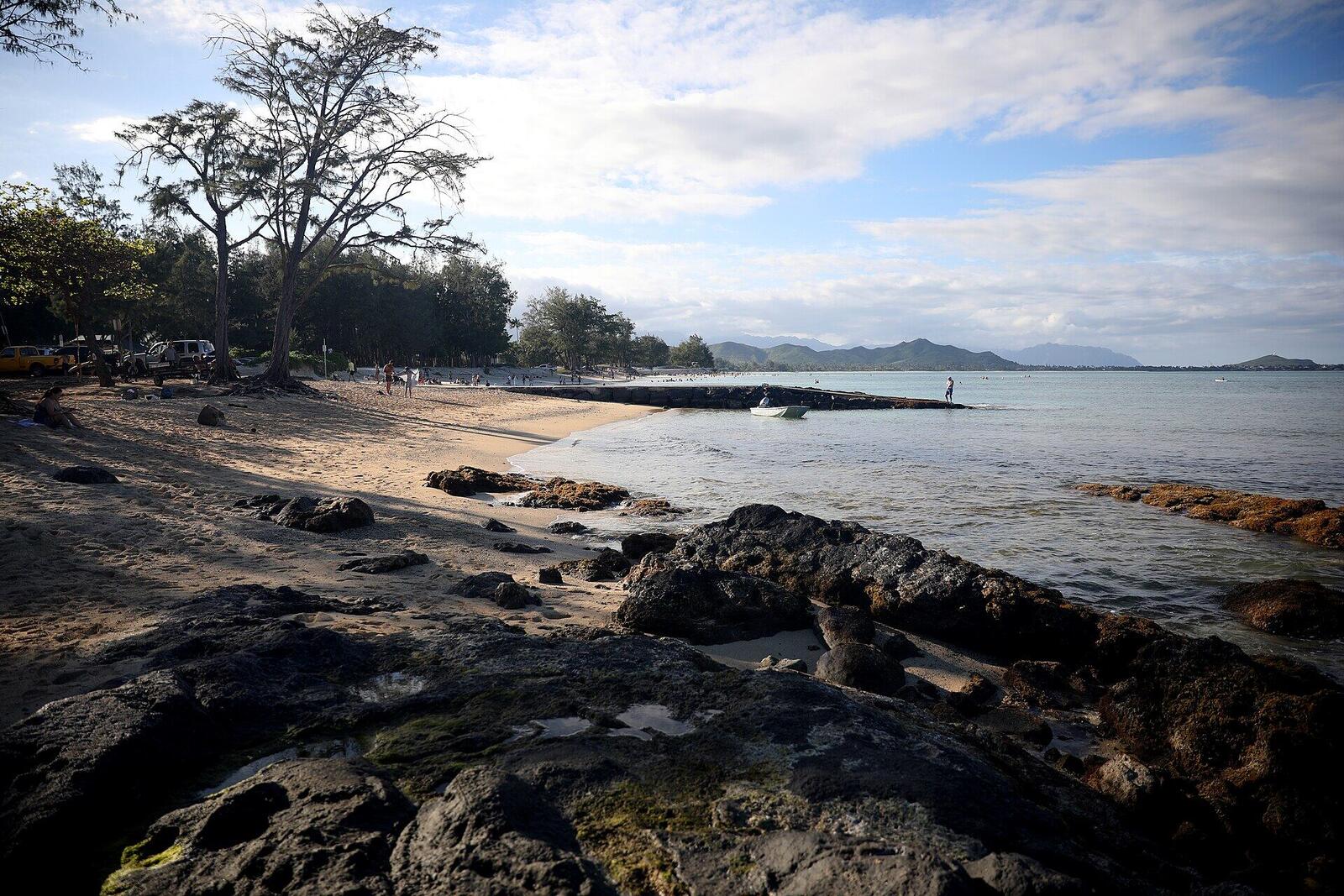
As you walk toward the water at Kailua, the trade winds rustle the palm fronds and ironwoods along the shore. The sound is a gentle reminder of the long history that surrounds this place. Kailua Beach is best known for its soft sand, but here and there along the shoreline you will also find stones, each one shaped by the island's geology and by years of waves.
The Significance of Pōhaku
In the Hawaiian language, the word _pōhaku_ means rock or stone. The standard Hawaiian dictionary also lists meanings such as a stone tablet and a fishing sinker. In Hawaiian life, stones were never just inanimate objects. They were shaped into tools such as adzes and poi pounders, tied to fishing lines as sinkers, and built into heiau (places of worship) and other sacred sites. For many people in Hawaiʻi, a stone is part of the land it came from.
Collecting vs. Leaving
As a visitor to Kailua, you may be tempted to pocket a stone as a memento of your visit. Please don't. Taking stones is seen by many as disrespectful to the land and its people, and it is also against the law: Hawaiʻi statutes prohibit taking sand, rocks, coral rubble and other beach material from the shoreline, apart from what clings to your body, clothes or gear by accident. Instead, leave the stones where they lie, so they can keep their place in the beach and in the cultural heritage of the area.
The Art of Observation
If you're interested in learning more about the stones, take a moment to simply observe them. Notice the colors, textures and shapes that each stone has. Pay attention to the way the light reflects off their surfaces, creating a shifting display of light and shadow. By slowing down and truly looking, you'll begin to appreciate the quiet beauty and meaning they hold. A photograph makes a far better souvenir than the stone itself.
Respecting the Land
As you explore Kailua's shoreline, remember to respect the land and its people. Admire the stones where they rest, leave them in place, and take your trash with you when you go. By taking these simple steps, you'll help keep this cultural and natural heritage whole.
Conclusion
Pōhaku may seem like the quietest part of the beach, but they carry deep meaning in Hawaiian culture. By understanding the cultural protocols and the law around them, we can make sure Kailua's shoreline stays whole for generations to come. So the next time you walk along Kailua's shore, take a moment to appreciate these stones, and remember to leave them where they lie.