The Tiny Treasures of Kailua's Tide Line: Shells, Sea Glass, and Sand Science
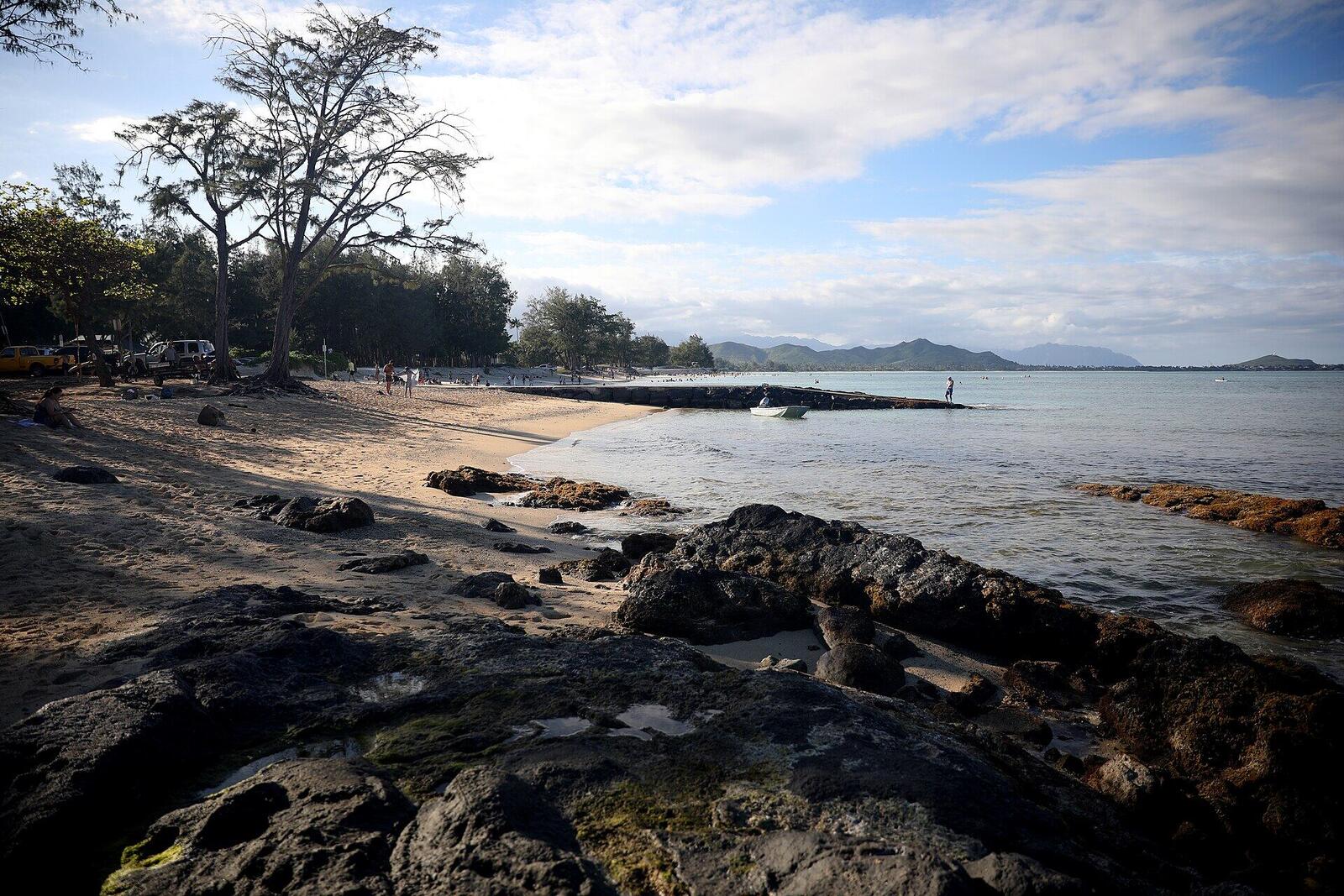
Near the end of Kailua Road, where the trade winds whisper through the ironwood trees, lies Kailua Beach: a stretch of coastline loved for its soft, powdery white sand. This isn't just any sand. It is a record of the ocean's patient artistry, a story written in countless tiny grains. Understanding where the sand comes from, and the small wonders that wash ashore, deepens our connection to this special place.
Kailua's sand, so fine it feels like silk between your toes, is mostly calcium carbonate made by living things. Studies of Kailua Bay have found that its sediments are more than 90 percent biogenic carbonate. Rather than eroded volcanic rock, the grains are broken pieces of coral, coralline algae, the green alga Halimeda, mollusk shells and tiny single-celled foraminifera, worn down over thousands of years by waves and by bioerosion, including the grazing of reef fish such as parrotfish (uhu). Each grain is a fragment of a once-living structure, a tiny piece of the reef brought to shore.
As the tide recedes, it often leaves behind a delicate fringe of treasures. For those with a keen eye and a patient spirit, beachcombing here can be a meditative practice. You might find fragments of sea glass, smoothed and frosted by years of tumbling in the surf. They began as bottles, jars and other discarded glass, and the ocean slowly turned them into something beautiful. Each piece tells a silent story of its journey, a reminder of the sea's ability to refine and reshape.
Then there are the shells, the empty homes of marine creatures. Kailua isn't known for an abundance of large, intact shells, but smaller, more delicate specimens do turn up. One famous Hawaiian find is the sunrise shell, a scallop prized for its warm shades of orange, yellow and pink. Sunrise shells are rarely found washed up on any beach, so spotting one would be a true gift from the sea. Whatever you find, take a moment to observe its patterns, its shape and the subtle variations in its color, and imagine the creature that once called it home.
For younger explorers, identifying shells can be a delightful game. Look for small, dark, rounded nerite shells, or perhaps a worn piece of an ʻopihi (limpet) shell; ʻopihi are a traditional Hawaiian delicacy gathered from rocky shorelines. Encourage children to use their imagination, perhaps seeing a tiny boat in a slipper shell or a miniature fan in a small clam.
Crucially, as we explore these tide line treasures, we follow a leave-no-trace approach. That means admiring shells, sea glass and other finds, and leaving most of them where they are for others to discover and for the shoreline to keep doing its work. If you do find an exceptional piece of sea glass or a perfect empty shell, consider taking only one or two, and make sure a shell is truly empty, not home to a hermit crab or another creature. The beauty of Kailua lies in its natural state, and caring for it is a shared responsibility. Let the ocean keep its stories, and let us simply be grateful observers of its enduring artistry.
So the next time you stroll along Kailua Beach, pause at the tide line and look closely. The sand beneath your feet, the fragments of glass and the delicate shells are more than objects. They are evidence of the ocean's power, its history and its quiet, persistent beauty.