Sharing the Shallows: Ethical Honu Watching in Kailua's Turquoise Waters
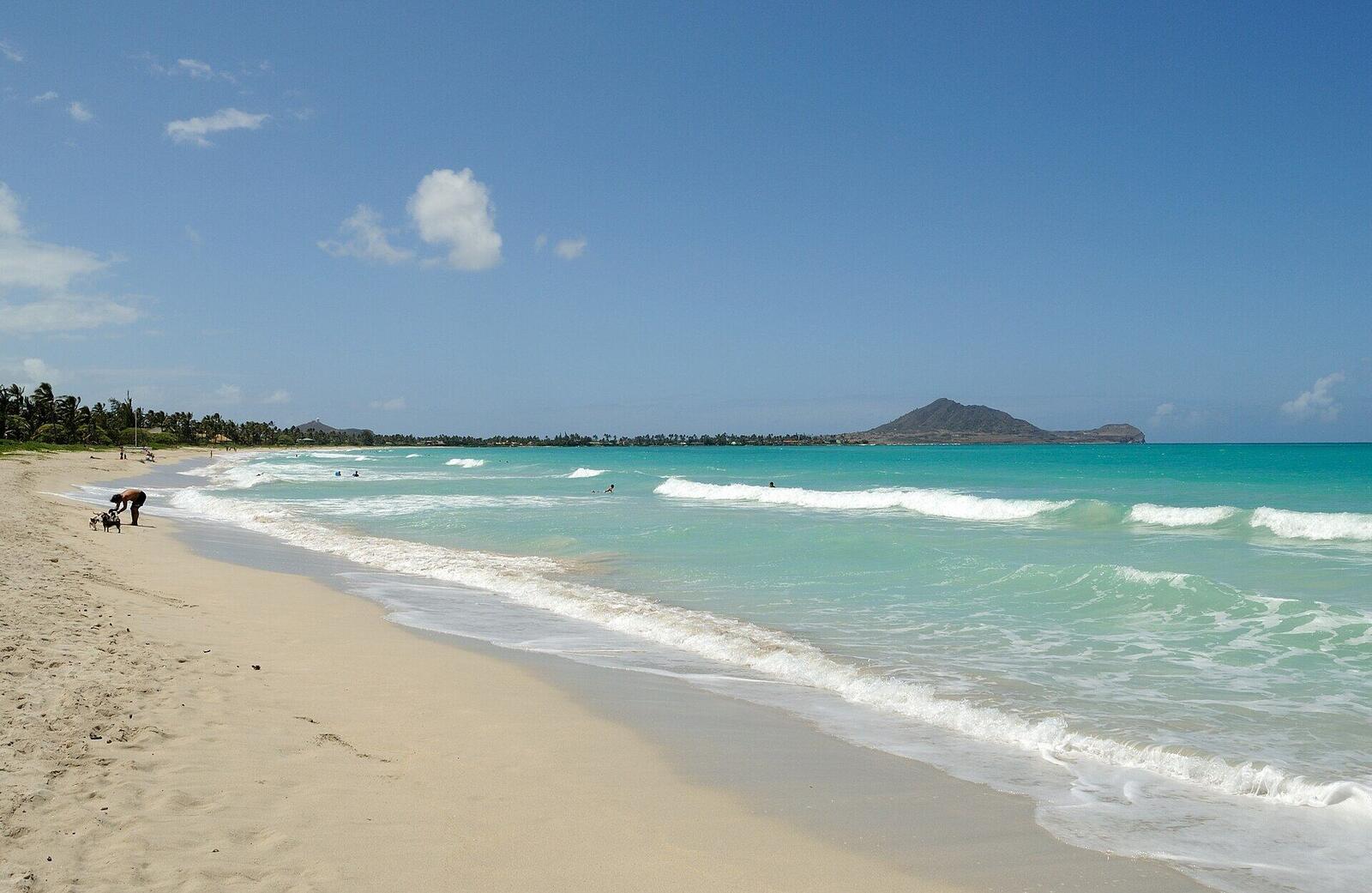
Kailua Road runs through town, past shops and palm trees, to one of Oʻahu's most treasured spots: Kailua Bay. The bay's turquoise waters hide a lively ecosystem, with shallow reefs serving as a feeding ground for Hawaiian green sea turtles, or honu. With a little luck, you may see one foraging close to shore, its flippers paddling lazily as it grazes on seaweed and algae.
The science behind this behavior is fascinating. Young honu eat a mix of foods, but by around five to seven years old Hawaiian green sea turtles become mostly herbivores, grazing on marine algae (limu) and seagrass. Reef and rocky areas where limu grows make good feeding spots, and as turtles graze they help keep algae and seagrass in check, part of the balance of the reef.
To spot honu, try visiting Kailua Bay in the morning, when the water is often calmer before the trade winds build in late morning and afternoon. Look near reef and rocky areas where seaweed grows. Be patient and quiet, as sudden movements can scare them away.
Practicing pono (respectful) wildlife viewing is essential when observing honu in their natural habitat. Green sea turtles in Hawaiʻi are listed as threatened under the federal Endangered Species Act and protected by state law, which makes harassing them illegal. NOAA Fisheries and the state recommend staying at least 10 feet (3 meters) away, both in the water and on the beach, and giving them even more room is better still. Never touch, chase or feed them, as this can disrupt their natural behavior and cause harm. If you see a turtle that is hooked, entangled or injured, keep your distance and call the NOAA Marine Wildlife Hotline at 1-888-256-9840.
By being mindful of our presence and respecting these incredible animals, we can help preserve the beauty and balance of Kailua Bay's ecosystem. As we share the shallows with honu, we are reminded of the importance of living in harmony with nature.